


John D.
Before embarking on the journey of installing a new garage door, New Hampshire homeowners should prepare adequately to ensure a smooth installation process. This comprehensive checklist will guide you through essential steps and considerations for a successful garage door installation.
Assess Your Needs Understanding your requirements is the first step toward a successful garage door installation.
Determine Your Garage Door Type Choose between different types of garage doors based on your preferences and needs. Consider options such as: - **Roll
-
up doors: Ideal for limited space.
-
Sectional doors: Popular for residential homes due to their versatility.
-
**Swing
-
**out doors:Provide a classic look but require sufficient space to open.
Evaluate Your Budget Setting a budget helps narrow down your options. Consider the following costs: - Material: Wood, steel, aluminum, or fiberglass.
-
Installation: Professional installation costs versus DIY options.
-
Additional features: Insulation, windows, or smart technology.
Research Local Regulations Before installation, familiarize yourself with local building codes and regulations.
Check Permits In some areas, installing a garage door may require a permit. Check with your local authority to avoid fines.
Understand Zoning Laws Ensure that your garage door complies with zoning regulations. This includes height restrictions and design guidelines that your community may have established.
Choose a Reputable Contractor Selecting the right contractor is crucial for a successful installation.
Verify Credentials Look for licensed and insured contractors in your area. A reputable contractor will provide proof of their qualifications and experience.
Read Reviews Check online reviews and testimonials. Websites like Google and Yelp can provide insights into past customer experiences.
Request Quotes Get multiple quotes from different contractors to compare pricing and services. Ensure that the quotes include all costs associated with the installation.
Select Your Garage Door Choosing the right garage door is vital for both functionality and aesthetics.
Consider Material Options Each material has its benefits and drawbacks: - Wood: Offers a classic look but requires regular maintenance.
-
Steel: Durable and low-maintenance but may rust if not properly coated.
-
Aluminum: Lightweight and resistant to rust, but can be dented easily.
-
Fiberglass: Lightweight and energy-efficient, but may be prone to cracking.
Design and Color Select a design and color that complements your home’s exterior. Consider custom designs if you want a unique look.
Plan for Installation Day Preparation on the installation day can significantly affect the process.
Clear the Area Ensure the area around your garage door is clear of obstacles. This includes vehicles, tools, and any other items that might hinder the installation process.
Ensure Accessibility Make sure the contractor has easy access to the garage and surrounding areas. This includes moving any furniture or items that might obstruct the installation.
Prepare Your Home Inform family members and pets about the installation schedule. It’s best to keep them away from the work area for safety reasons.
Understand the Installation Process Knowing what to expect during the installation can ease concerns.
Discuss the Timeline Talk to your contractor about how long the installation will take. Most installations can be completed in one day, but larger projects may require more time.
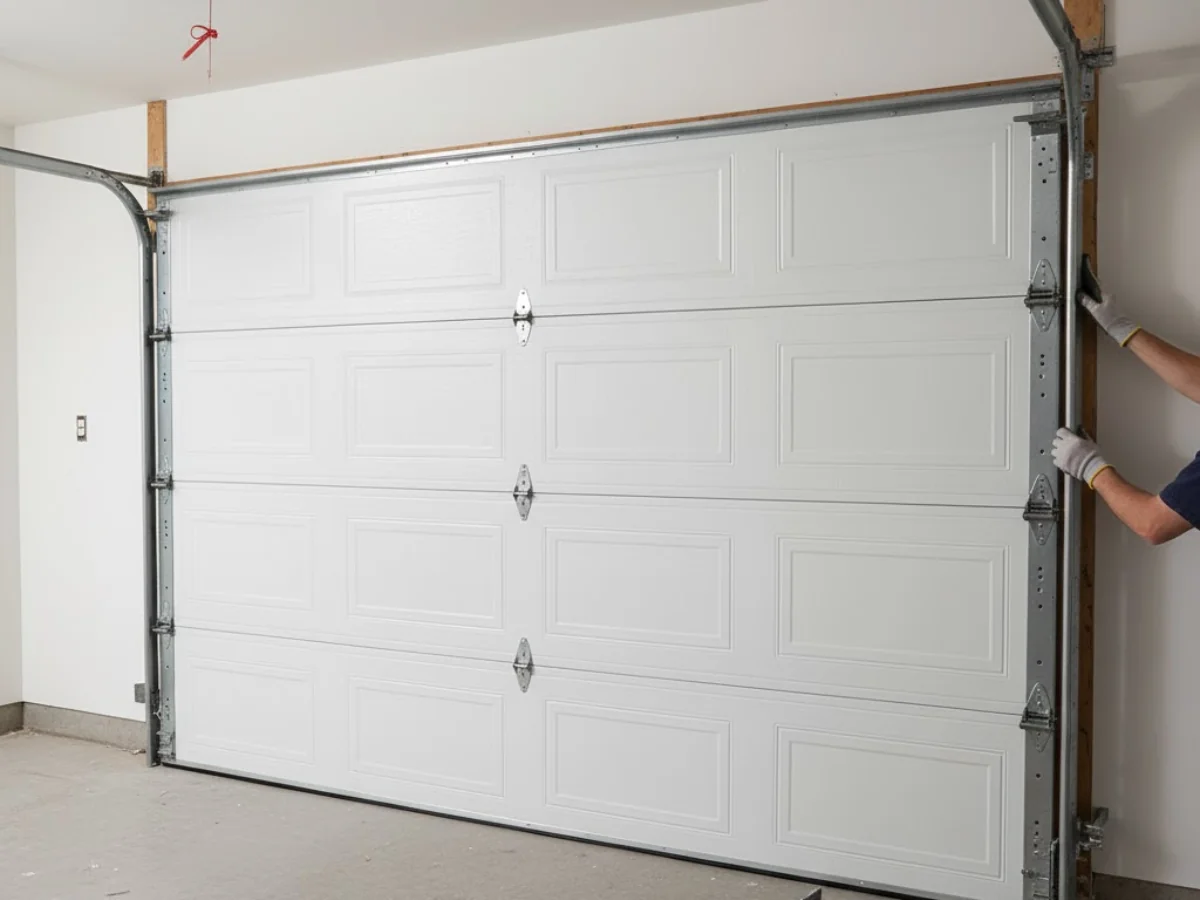
Ask About the Process Understanding the steps involved in the installation can help set your expectations. Typically, the process includes: 1. Removing the old garage door.
-
Installing the new door and frame.
-
Connecting the garage door opener.
-
Testing the door for proper operation.