


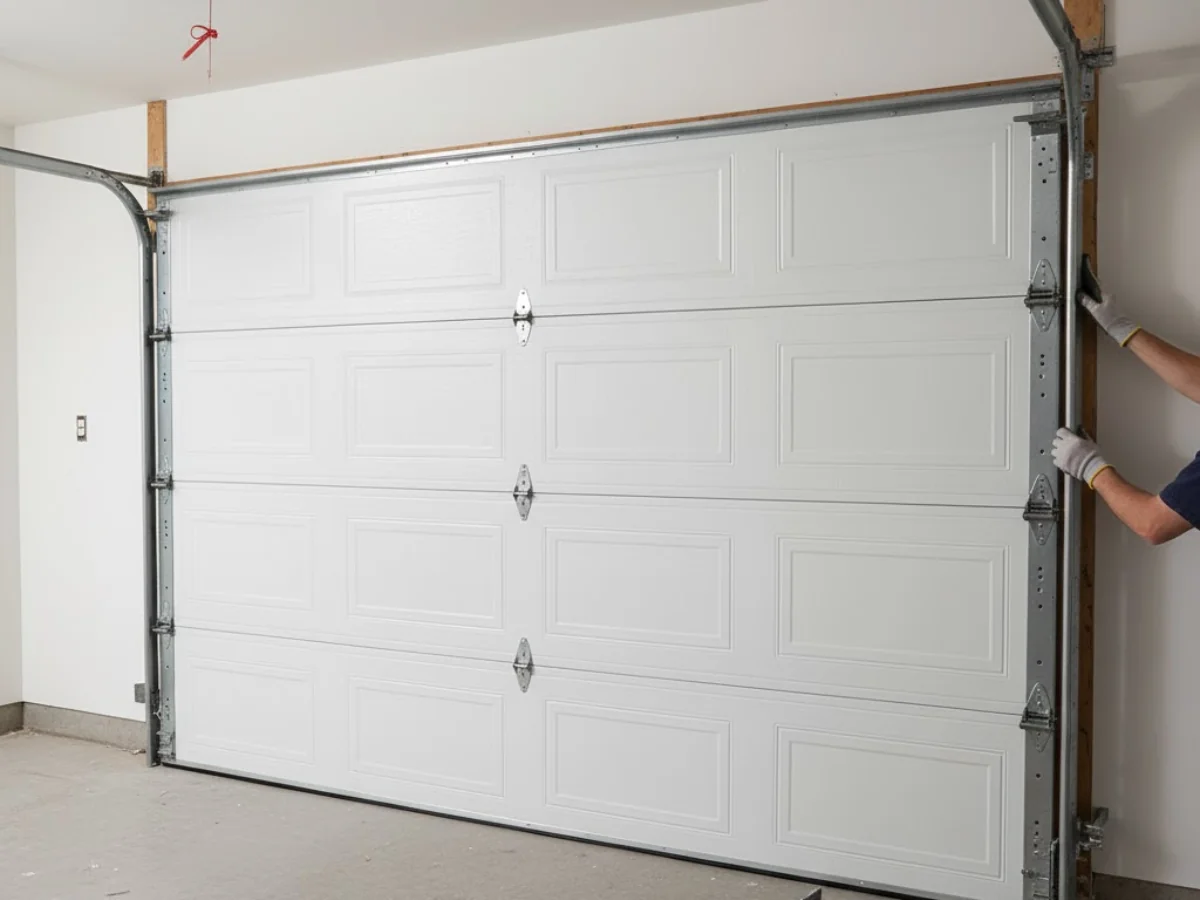
Your garage door is a feature of your home that you probably do not think about until it suddenly stops working. As the largest moving object and a primary entry point for many homes across New England, a malfunctioning garage door is more than just an inconvenience—it is a major security risk and a potential safety hazard.
Whether you are dealing with a door that refuses to open during a freezing Boston blizzard, a mysterious grinding noise, or a snapped cable, understanding how your garage door system works is the first step toward a resolution.
This comprehensive, expert-backed guide will walk you through everything you need to know about garage door repair. From simple DIY troubleshooting steps and routine seasonal maintenance to identifying when it is time to call in the professionals at Alpine Garage Doors New England, we have got you covered.
Understanding Your Garage Door System: The Core Components
Before diving into repairs, it helps to understand what makes your garage door move. A standard residential garage door is a complex system of moving parts working in perfect harmony. When one part fails, the whole system can grind to a halt.
The Spring System: Torsion vs. Extension Springs
The springs are the true muscle of your garage door. Contrary to popular belief, the garage door opener does not do the heavy lifting; the springs do. They counterbalance the weight of the door, making a 150-pound door feel light enough to lift with one hand.
- Torsion Springs: These are located horizontally on a metal shaft directly above the garage door opening. They wind up and store energy as the door closes, releasing it to lift the door open. Torsion springs are common in newer homes and offer smoother, safer operation.
- Extension Springs: These are found on both sides of the door, running parallel to the overhead tracks. They stretch out to store energy when the door closes. Extension springs are older technology and require safety cables to prevent them from flying across the garage if they snap.
Tracks, Rollers, and Hinges
The tracks act as the highway for your garage door, guiding it smoothly from a vertical closed position to a horizontal open position overhead.
- Rollers: Small wheels attached to the door panels that ride inside the tracks. They can be made of plastic, steel, or nylon (nylon is the quietest and longest-lasting).
- Hinges: Metal brackets that hold the door panels together, allowing the door to flex as it negotiates the curve in the tracks.
Cables and Drums
Steel cables work alongside the spring system. In a torsion setup, the cables wrap around drums at each end of the metal shaft. When the springs unwind, the drums turn, lifting the cables and raising the door. If a cable frays or snaps, the door will become completely unbalanced and dangerous to operate.
The Automatic Opener and Safety Sensors
The garage door opener is the brain of the operation. It regulates the distance the door travels and provides the initial push or pull. Modern openers use a chain drive, belt drive, or screw drive mechanism.
Crucially, every modern system includes infrared safety sensors (photo-eyes) positioned about six inches off the garage floor on both sides of the opening. These sensors project an invisible beam across the doorway. If anything breaks this beam while the door is closing, the door immediately stops and reverses to prevent injuries or property damage.
Common Garage Door Problems and How to Troubleshoot Them
When your garage door starts acting up, you do not always need to panic. Some common issues have simple fixes that you can safely handle yourself. Let us look at a few common scenarios and how to troubleshoot them.
1. The Door Won't Open or Close with the Remote
If you press your remote control and nothing happens, but the wall console inside the garage works fine, the issue is likely minor.
- Check the Batteries: This sounds obvious, but dead remote batteries are the number one cause of this issue. Replace them and try again.
- Check the Lock Feature: Many wall consoles have a "Lock" or "Vacation" button. If this was accidentally pressed, it disables all remote control signals. Hold the lock button down for a few seconds to unlock the system.
- Reprogram the Remote: Sometimes, remotes lose their connection to the opener. Check your opener manual to find the "Learn" button and walk through the quick reprogramming steps.
2. The Garage Door Starts to Close, Then Reverses Automatically
If your door begins its downward journey but pops right back up—often accompanied by clicking sounds or flashing lights from the opener—your safety sensors are likely talking to you.
- Look for Obstructions: Check the path of the door. Even a small rake handle, a cardboard box corner, or a pile of leaves can trigger the sensors.
- Check Sensor Alignment: The small LED lights on both sensors should be glowing steadily (usually one green, one amber). If one is blinking or dark, they are out of alignment. Gently nudge the sensor bracket with your hand until both lights glow solid.
- Clean the Lenses: Boston winters bring plenty of dust, salt, and moisture. Wipe the small glass lenses on both sensors with a clean microfiber cloth to remove dirt or cobwebs blocking the invisible beam.
3. The Door Opens, But the Motor Keeps Running
If the door reaches its fully open position but you hear the opener motor straining and spinning, the limit switch settings may need an adjustment.
- Adjust the Travel Limits: On the side or back of your garage door opener motor casing, you will find two plastic screws labeled "Travel" or "Limit." One controls how far up the door goes; the other controls how far down it goes. Using a flathead screwdriver, turn the "Up" screw slightly toward the minus (-) sign to tell the motor to stop lifting just a bit sooner.
4. The Door Makes a Loud, Horrible Grinding Noise
A noisy garage door is a cry for help. Grinding, squeaking, or scraping sounds usually point to mechanical friction.
- Tighten Loose Hardware: Over time, the vibrations of the door opening and closing can loosen nuts and bolts. Grab a socket wrench and gently tighten the bolts on your hinges and track brackets. Do not overtighten, or you could strip the metal.
- Lubricate Moving Parts: Dry metal moving against dry metal creates friction and noise. Use a high-quality silicone or lithium-based garage door spray lubricant. Spray the rollers (the bearings, not the plastic wheel itself), hinges, springs, and the length of the opener rail. Never use standard WD-40, as it acts as a cleaner and degreaser rather than a long-term lubricant, attracting dirt over time.
The Hidden Dangers: Why DIY Has Strict Limits
While lubricating tracks and swapping remote batteries are perfect DIY projects, it is vital to know where to draw the line. Garage door repair can be dangerous if you tackle the wrong components without specialized training and tools.
The High Tension Danger of Springs
If there is one thing you take away from this guide, let it be this: never attempt to replace or adjust garage door springs on your own.
Because garage door springs hold enough tightly wound torque to lift a massive, heavy door, they are under an incredible amount of tension. If a spring snaps while you are working on it, or if a DIY winding bar slips out of your grip, the released energy can cause severe bodily injury or destruction of property. Professional technicians use specialized winding bars, heavy-duty locking pliers, and extensive safety training to manage this risk safely.
The Risk of Falling Doors
A garage door with a broken spring or snapped cable is essentially a heavy guillotine suspended above your driveway. If you attempt to pull the emergency release cord (the red rope) while the door is open and has a broken spring, the door can crash down with tremendous speed and force. This can easily crush cars, pets, or people caught underneath.
Track Realignment and Structural Integrity
If your garage door tracks become bent or misaligned due to an accidental bump from a vehicle, fixing them requires precise measurement. If the tracks are even slightly off-kilter, the door can bind, pop out of the tracks entirely, and fall. Professional garage door repair technicians use specialized leveling tools to ensure the tracks are perfectly parallel and secure.
The Ultimate Preventive Maintenance Checklist
The best way to avoid emergency garage door repair costs is to catch minor issues before they turn into major failures. By spending just fifteen minutes every few months performing a routine inspection, you can add years to the lifespan of your garage door system.
Monthly Maintenance Steps
- Visual Inspection: Stand inside your closed garage and look closely at the springs, cables, rollers, pulleys, and mounting hardware. Look for signs of fraying on the cables, gaps or cracks in the springs, or loose brackets.
- Listen to the Operation: Open and close the door using the wall button. Does it move smoothly? Does it make jerking motions, or do you hear any unusual squeaks or grinding sounds?
Semi-Annual Maintenance Steps
- Perform a Balance Test: This is a crucial check to ensure your springs are doing their job.
- Close the garage door completely.
- Pull the red emergency release cord to disconnect the door from the automatic opener.
- Lift the door manually. It should open smoothly with very little resistance.
- Stop lifting when the door is about halfway open (around waist or chest height) and carefully let go.
- The Verdict: A well-balanced door will stay in place or hover slightly. If the door slams shut or shoots upward rapidly, the springs are out of balance. Re-engage the door to the opener and call for a professional adjustment.
- Test the Mechanical Reversal Feature: Modern openers are designed to reverse if they hit an object. Place a solid piece of wood (like a 2x4 block) flat on the garage floor directly under where the door closes. Press the wall button to close the door. When the door strikes the wood, it should immediately stop and reverse back up. If it presses down hard and does not reverse, the force settings on your opener need professional calibration.
Annual New England Winter Prep
Living in the New England area means dealing with extreme weather, from humid coastal summers to freezing, snowy winters. Cold weather causes metal to contract and lubricants to thicken, putting extra stress on your garage door opener.
- Clear Ice and Snow: Never let snow or ice build up along the bottom seal of your garage door. If the rubber bottom seal freezes to the concrete driveway and you activate the opener, the motor can burn out, or the bottom rubber seal can tear completely off.
- Inspect the Weatherstripping: Check the rubber weather seals around the top, sides, and bottom of your garage door. Cracked or missing weatherstripping allows freezing wind, moisture, and pests into your garage, driving up your home heating bills. Replace worn seals before the winter freeze sets in.
Comparing Garage Door Opener Types: Which is Right for You?
If your current garage door opener is more than 15 years old, making excessive noise, or lacking modern safety features, it may be time for a replacement. Choosing the right drive type depends on your budget, layout, and noise tolerance.
Opener Drive Type | Mechanism Used | Noise Level | Maintenance Needs | Best For |
Chain Drive | A heavy-duty metal chain pulls the trolley along the rail. | High (Clunky, loud metal vibrations) | Low to Medium (Needs periodic lubrication) | Detached garages or budget-conscious homeowners. |
Belt Drive | A reinforced rubber, fiberglass, or polyurethane belt moves the door. | Very Low (Ultra-quiet and smooth) | Very Low (Belts require minimal upkeep) | Attached garages, especially under bedrooms or living spaces. |
Screw Drive | A threaded steel rod rotates to move the lifting mechanism. | Medium (A steady humming sound) | Low (Fewer moving parts to wear out) | Heavy wood doors or regions with consistent climates. |
Wall-Mount (Jackshaft) | Mounts directly to the wall beside the garage door shaft. | Extremely Low (Saves overhead ceiling space) | Low (High-tech and highly efficient) | Garages with high ceilings, cathedral roofs, or extra storage needs. |
Modern openers also bring incredible smart-home technology to the table. Newer models come equipped with built-in Wi-Fi, allowing you to monitor and control your garage door from anywhere via a smartphone app. You can receive alerts if your door is left open, grant access to delivery drivers remotely, and integrate your garage door into your overall home security network.
When to Repair vs. When to Replace Your Garage Door
When your garage door suffers damage or structural wear, you face a common dilemma: should you pay for a garage door repair, or is it wiser to invest in a completely new garage door replacement? Here is how to weigh your options.
When to Choose Garage Door Repair
- The Damage is isolated to One Panel: If a delivery truck backed into your driveway and dented just the bottom section of your door, you do not need a whole new system. A professional technician can order and install a single matching replacement panel from the manufacturer.
- The Component is Wear-and-Tear Related: Snapped springs, broken cables, worn rollers, or a burnt-out opener logic board are all individual components that can be quickly and affordably replaced, restoring your door to like-new condition.
- The Door is Relatively New: If your garage door system is less than ten years old and generally in good condition, repairing specific issues is the most cost-effective path forward.
When to Choose Garage Door Replacement
- Structural Sagging or Warping: If your garage door panels are made of older wood that has begun to rot, warp, or sag across the middle, the structural integrity is compromised. A sagging door strains the opener and tracks, posing a major safety hazard.
- Frequent, Costly Breakdowns: If you find yourself calling for repair services multiple times a year for different components, you are likely pouring money into a sinking ship. Investing that capital into a modern, reliable system will save you money in the long run.
- Boosting Curb Appeal and Home Value: Your garage door can make up to 30% of your home's visible front exterior. Upgrading an old, faded, outdated door to a modern carriage-house style or a sleek contemporary design dramatically boosts your property's curb appeal and offers one of the highest returns on investment (ROI) among home improvement projects, according to home remodeling data. Learn more about national home renovation value and trends by checking out the Remodeling Magazine Cost vs. Value Report.
- Improving Energy Efficiency: Older garage doors lack adequate insulation. If your garage is attached to your home or sits beneath a bedroom, an uninsulated door lets cold air seep into your living spaces. Modern insulated doors feature polyurethane or polystyrene cores that stabilize garage temperatures, reducing your overall home energy expenditures.
Choosing a Trustworthy Local Garage Door Repair Specialist
Because your garage door is a vital piece of home security and safety infrastructure, you should never trust repairs to unverified handymen. Here is what to look for when selecting a professional garage door service provider in the Boston area:
- Valid License and Full Insurance: Ensure the company carries comprehensive general liability insurance and workers' compensation. This protects you from financial liability if an accident occurs on your property during a repair.
- Transparent, Upfront Pricing: A reputable service provider will always inspect your garage door system, diagnose the real underlying issue, and provide a clear, written estimate detailing parts and labor before any work begins. Beware of companies that offer suspiciously low phone estimates only to inflate the bill with hidden fees once they arrive.
- Local Experience and Reviews: Look for companies with a physical presence in your community and a strong track record of positive customer feedback. Local businesses understand the unique architectural styles and challenging climate conditions faced by New England homeowners. For general safety standards and detailed consumer-protection advice on hiring home services, you can review the guidelines provided by the Federal Trade Commission (FTC).
For residents looking to understand better garage door product safety testing, certified engineering standards, and international building code compliance, explore the resources available through the International Door Association (IDA).
Frequently Asked Questions (FAQs)
How much does it typically cost to replace a broken garage door spring?
The cost to replace a broken garage door spring typically ranges from $150 to $350, depending on whether you have a torsion or extension spring system and the weight of your specific door. This price usually includes both the cost of the high-quality replacement spring and professional labor.
Can I still manually open my garage door if the power goes out?
Yes, you can manually operate your garage door during a power outage by pulling the red emergency release cord down and back toward the opener motor to disconnect it from the automatic trolley. Once disconnected, you can simply lift the door open by hand, provided the door's balance springs are not broken.
Why does my garage door remote only work when I am standing right next to the door?
This short-range issue is typically caused by a dying remote battery, a loose or damaged antenna wire dangling from your garage door opener motor unit, or local radio frequency interference from nearby LED light bulbs or home electronics.
How often should my residential garage door be professionally serviced?
It is highly recommended that your residential garage door system be to understand betterprofessionally inspected, tuned up, and safety-tested at least once a year. Regular professional tune-ups catch hidden component wear before it causes an unexpected breakdown or safety hazard.
Final Thoughts
A properly functioning garage door provides safety, convenience, and peace of mind for your entire family. By understanding the core components of your door, keeping up with regular monthly and seasonal maintenance checks, and knowing how to troubleshoot simple sensor or remote issues, you can keep your system operating reliably for decades.
When serious mechanical issues arise—such as broken springs, worn cables, or bent structural tracks—always prioritize your personal safety and call for expert assistance. Taking care of small warning signs early prevents minor friction from turning into an expensive, emergency garage door repair down the road.
How Can Alpine Garage Doors New England Help You?
When your garage door fails, you need fast, dependable, and professional local service you can trust. At Alpine Garage Doors New England, we take pride in serving our community with expert garage door repair, replacement, and routine maintenance services.
Whether your door needs emergency spring replacement, track realignment, or a brand-new smart opener installation, our highly trained technicians are ready to restore safety and convenience to your home. We know how unpredictable New England weather can be, and we are committed to making sure your garage door stands up to the challenge.
Do not let a broken garage door disrupt your day or leave your home vulnerable. Contact our friendly team today to schedule an inspection or request immediate repair service!
- Business Name: Alpine Garage Doors New England
- Address: 150 Cross St, Boston, MA 02109
- Phone Number: (617) 865 7222