


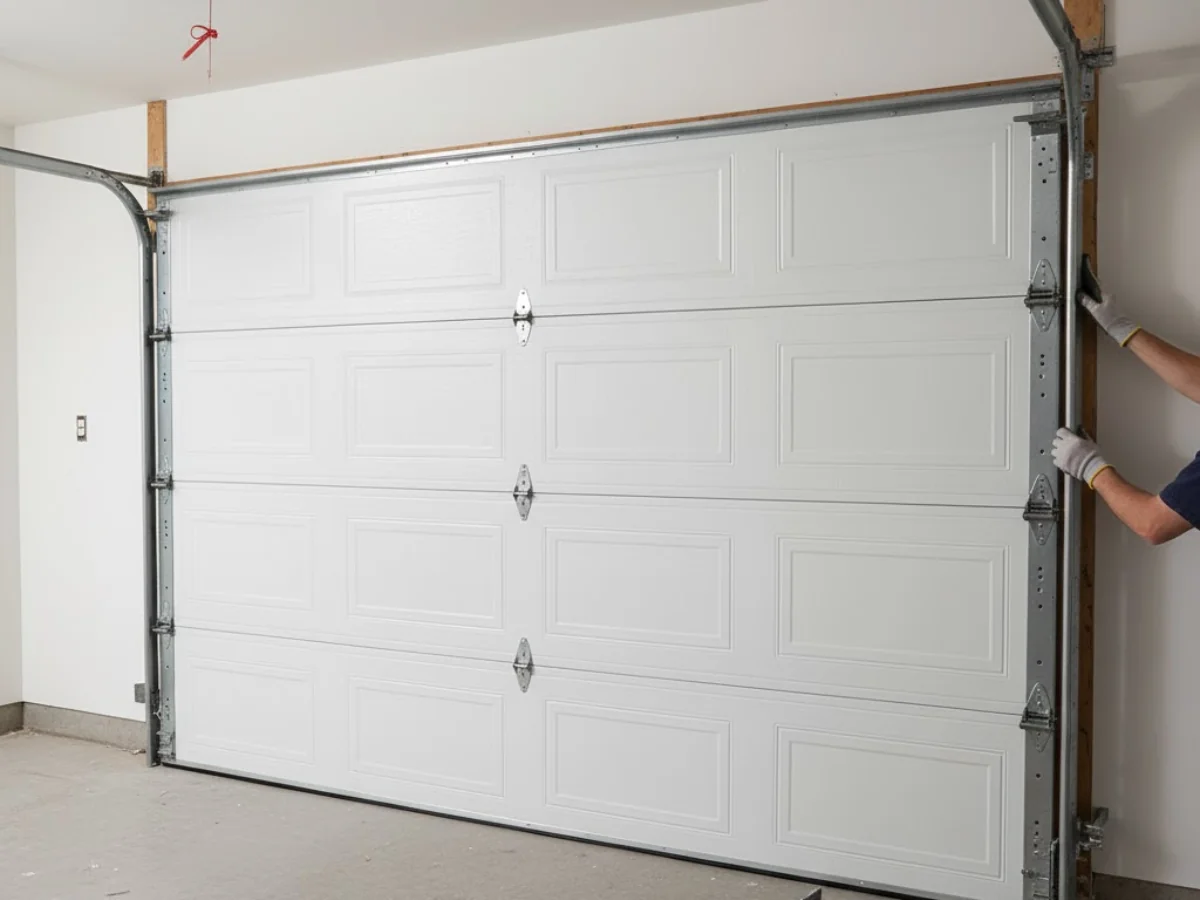
The Panic of a Broken Garage Door
Picture this: It is a freezing morning in Boston. The wind is howling, and you are already running late for work. You press the button on your garage door remote, expecting the familiar hum of the motor. Instead, you hear a loud BANG, and the door refuses to budge. Your car is trapped inside, and your home is exposed to the bitter cold.
A broken garage door is never convenient. In fact, it almost always happens at the worst possible time. Because your garage door is likely the largest moving object in your home—weighing anywhere from 150 to over 300 pounds—a sudden malfunction is more than just a hassle. It is a major safety hazard.
As a garage door technician with 15 years of experience, I have seen it all. From springs snapping in the middle of a Nor'easter to doors getting backed into by hurried drivers, I know how stressful this situation can be. That is why understanding exactly what to do (and what not to do) is so important.
If you are currently dealing with a stuck, broken, or dangerous door, you need emergency garage door repair Boston, MA. In this comprehensive guide, we will walk you through why garage doors break, how to spot the warning signs, what you can check yourself, and when it is time to call in the professionals.
Why Garage Doors Break Down in Boston
Boston is a beautiful city, but our weather is notoriously tough on homes. Your garage door takes a beating year-round, and the local climate plays a massive role in how long its parts will last.
The Winter Freeze
When temperatures drop below freezing, the metal components of your garage door contract. Springs, cables, and hinges become brittle and stiff. If the parts are not properly lubricated, the extra friction can cause a torsion spring to snap without warning. Furthermore, the grease inside your garage door opener's motor can harden in extreme cold, making the motor work twice as hard just to lift the door.
Salt and Rust
During the winter, the streets of Massachusetts are covered in road salt. When you drive your car into the garage, you bring that salt inside with you. Over time, the salty moisture evaporates and settles on the metal tracks, rollers, and springs of your garage door. This leads to rust. Rust eats away at the integrity of the metal, weakening the springs and causing rollers to grind against the tracks [ Boston Area Weather and Rust Prevention Data].
Age and Wear
Even without harsh weather, garage doors simply wear out over time. The average garage door opens and closes about 1,500 times a year. Every time it moves, tension is put on the cables and springs. Eventually, metal fatigue sets in. If your home is older and the garage door hasn’t been serviced in a decade, a sudden breakdown is almost guaranteed.
5 Signs You Need Emergency Garage Door Repair Boston MA
How do you know if your door just needs a little tune-up or if you are facing a true emergency? Here are the top five red flags that mean you need to call a technician right away.
1. You Hear a Loud "Gunshot" Sound
If you are sitting in your living room and hear a massive BANG coming from the garage, do not ignore it. This is the classic sound of a torsion spring snapping. The spring is what actually lifts the heavy weight of the door. If it breaks, the door is essentially dead weight. Do not attempt to use the automatic opener, as it will likely burn out the motor.
2. The Door is Sagging or Crooked
Does your garage door look slanted when it opens? Is one side higher than the other? This usually means a lift cable has snapped or slipped off its drum. A crooked door is extremely dangerous because it can easily jump off its tracks and crash to the floor.
3. The Door is Off its Tracks
The rollers attached to your door are supposed to glide smoothly inside the metal tracks. If you see the rollers popping out of the tracks, stop using the door immediately. Forcing an off-track door to move will bend the metal panels and turn a simple repair into a total door replacement.
4. The Door Reverses Immediately After Touching the Ground
If your door closes all the way, hits the floor, and instantly goes back up, your limit settings or safety sensors are heavily out of sync. This leaves your home completely unsecured, as you cannot lock the garage.
5. The Motor Runs, But Nothing Happens
If you hear the opener buzzing or grinding, but the door doesn't move, you might have a stripped gear inside the motor, or the carriage assembly might be broken. This leaves you locked out (or locked in) until the mechanism is repaired.
What to Do (and Not Do) When Your Door Breaks
Safety should always be your number one priority. A malfunctioning garage door can cause severe property damage and serious personal injury. If you find yourself in an emergency situation, follow these vital steps.
Step 1: Disconnect the Opener
If your door is stuck halfway open, the first thing you should do is unplug the garage door opener from the ceiling outlet. This ensures no one accidentally presses a remote or wall button, which could cause the door to move unpredictably and hurt someone.
Step 2: Clear the Area
Keep children and pets far away from the garage. Do not walk under a door that is hanging off its tracks or being held up by a damaged cable. The tension holding the door up could release at any second.
Step 3: Do NOT Cut the Cables
This is a critical rule [International Door Association (IDA) Safety Guide]. Garage door cables are under immense tension. If you try to cut a frayed cable to free the door, the tension will release violently. The cable can whip across the room, causing severe lacerations or worse.
Step 4: Do NOT Try to Lift a Door with a Broken Spring
As mentioned earlier, garage doors are incredibly heavy. The springs do the heavy lifting, not the motor. If a spring is broken, trying to manually lift a 200-pound door will likely result in a severe back injury. Furthermore, if you lose your grip, the door will slam down like a guillotine.
Step 5: Secure the Home
If the door is stuck open, move your valuables and vehicles out of the garage if possible. Lock the interior door that leads from the garage into your house to ensure your home remains secure until help arrives.
Common Emergency Garage Door Repairs
When you call for emergency garage door repair Boston, MA, what exactly is the technician going to fix? Here is a breakdown of the most common emergency repairs we handle on a daily basis.
Broken Torsion and Extension Springs
Spring replacement is the most common emergency call we get. There are two main types of springs: torsion springs (mounted horizontally above the door) and extension springs (mounted along the sides of the upper tracks). Both types store incredible amounts of energy. When a technician replaces them, they must use specialized winding bars to safely add tension to the new springs. This is never a DIY job.
Snapped Lift Cables
Lift cables work together with the springs to pull the door up. Over time, these thick steel cables can fray and snap due to moisture and rust. Replacing them involves securing the door in place, installing new aircraft-grade steel cables, and perfectly balancing the tension on both sides so the door opens evenly.
Bent or Damaged Tracks
If you accidentally tap your garage door with your car bumper, the impact can easily bend the vertical tracks. When the tracks are bent, the door cannot move. A technician will carefully unbend the track or replace the damaged sections entirely, ensuring everything is perfectly plumb and level.
Damaged Rollers
Rollers are the little wheels that run inside the tracks. Older doors often have hard plastic or steel rollers without ball bearings, which can lock up and drag, eventually breaking. We typically upgrade these to nylon-coated rollers with steel ball bearings. They are incredibly quiet, much more durable, and won't rust in the salty Boston air.
Panel Replacement
Sometimes only the bottom section of your garage door gets damaged, either from a vehicle impact or rot. In many cases, we can order and install a single replacement panel rather than forcing you to buy an entirely new door system.
DIY Troubleshooting Before Calling a Pro
Before you panic and make an emergency phone call, there are a few simple, completely safe things you can check yourself. Sometimes, what looks like a major disaster is actually a five-minute fix.
Check the Photo-Eye Sensors
Since 1993, all garage doors have been required to have safety sensors located near the floor on either side of the door. These shoot an invisible beam across the opening. If the beam is broken, the door will not close.
- The Fix: Check if a broom, a trash can, or a pile of leaves is blocking the sensors. Wipe the lenses clean with a soft cloth. Check the little LED lights on the sensors; if they are blinking, the sensors have been bumped and are out of alignment. Simply wiggle them until the lights stay solid.
Check the Wall Switch and Lock Feature
Many modern wall-mounted buttons have a "Vacation Mode" or "Lock" switch. If this button is accidentally pressed, the door will ignore all signals from your remote controls.
- The Fix: Look at your wall button. If a light is flashing rapidly, it might be locked. Press and hold the lock button for a few seconds to disable it, and try your remote again.
Check the Remote Batteries
It sounds silly, but dead batteries account for a huge number of service calls. If the wall button opens the door but your remote does not, the problem is not the door.
- The Fix: Swap out the batteries in your remote or keypad.
Check the Disconnect Cord
Look up at the track in the center of the ceiling. You will see a red rope hanging down. This is the emergency release cord. If someone pulled it, the door is disconnected from the motor. The motor will run, but the door won’t move.
- The Fix: Pull the red cord backward (toward the motor) to re-engage the carriage. Run the opener, and it should click back into place.
How Preventative Maintenance Saves You Money
The absolute best way to handle an emergency garage door repair is to stop it from happening in the first place. Regular maintenance will extend the life of your door, keep it running quietly, and save you thousands of dollars over the years [ DASMA Garage Door Maintenance Tips].
Lubricate the Moving Parts
Metal rubbing against metal creates friction, which destroys garage door parts. Every six months (especially right before a Boston winter), you should lubricate all hinges, rollers, and springs.
- Pro Tip: Never use WD-40 on your garage door. It is a degreaser and will actually strip away the lubrication you need. Instead, use a specialized lithium or silicone-based garage door spray.
Perform a Balance Test
A properly balanced door puts very little strain on the motor. To test yours, pull the red emergency release cord to disconnect the door from the opener. Manually lift the door halfway up and let go.
- If the door stays perfectly in place, your springs are balanced.
- If the door slams to the floor, or violently flies open, your springs are losing their tension, and you need to call a technician to adjust them.
Tighten the Hardware
Because your garage door vibrates every time it moves, the nuts and bolts holding the hinges and brackets can vibrate loose over time. Grab a socket wrench and gently tighten all the visible bolts on the inside of the door once a year.
Inspect the Weatherstripping
The rubber seal along the bottom of your door keeps out cold air, rain, snow, and pests. Over time, it can crack and become brittle. Replacing the bottom weather seal is a simple way to protect your garage from the elements and keep moisture away from your metal components.
Trusting the Right Professionals
When you are facing an emergency, it is tempting to just click the first link you see online. However, the garage door industry requires immense technical skill and safety awareness. You want to make sure the technician arriving at your home knows exactly what they are doing.
Always look for a local company that understands the specific challenges of New England weather. A reputable technician will arrive in a fully stocked truck, allowing them to fix the problem on the spot rather than making you wait weeks for parts. They should also perform a full safety inspection of the entire door system—not just the part that broke—to ensure nothing else is on the verge of snapping.
Remember, your garage door is a vital part of your home’s security and curb appeal. When it breaks, you need fast, honest, and reliable service.
Frequently Asked Questions (FAQs)
Can I replace just one garage door spring if the other is fine?
No, you should always replace both springs at the same time to ensure the door is perfectly balanced. If one broke, the other is likely near the end of its lifespan anyway.
Will my homeowner's insurance cover emergency garage door damage?
It depends on the cause of the damage, such as a vehicle collision or severe weather, rather than normal wear and tear. You should check your specific policy details with your insurance provider.
How much does a typical emergency service call cost after hours?
Emergency rates vary but typically include a base service fee plus the cost of parts and labor for the specific repair. Weekend or middle-of-the-night calls usually carry a premium charge.
What is the average lifespan of a residential garage door opener?
Most modern openers last between 10 and 15 years with regular use. Routine maintenance can help extend the life of the motor and internal gears.
Final Thoughts
Dealing with a broken garage door can be a massive headache, especially when you are trying to get to work or keep your home warm during a Boston winter. Understanding the common causes of garage door failure—such as cold weather, rust, and worn-out springs—can help you spot the warning signs before a total breakdown occurs.
Always remember that safety comes first. While it is great to check simple things like remote batteries and safety sensors yourself, you should never attempt to fix broken springs, snapped cables, or off-track doors on your own. The extreme tension and heavy weight involved make these tasks highly dangerous for anyone without professional training. By investing in preventative maintenance and knowing when to call the experts, you can keep your garage door running smoothly and safely for years to come.
How Can Alpine Garage Doors NE Help You?
When disaster strikes and your garage door refuses to cooperate, you don't have time to wait around. If you are looking for top-tier emergency garage door repair Boston, MA, our team of experienced technicians is ready to roll. We understand the harsh local climate and carry the heavy-duty, high-quality parts needed to get your door back on track quickly and safely. Don't leave your home unsecured or risk a dangerous DIY repair. Let the local experts handle the heavy lifting for you!
Alpine Garage Doors NE
📍 150 Cross St, Boston, MA 02109