


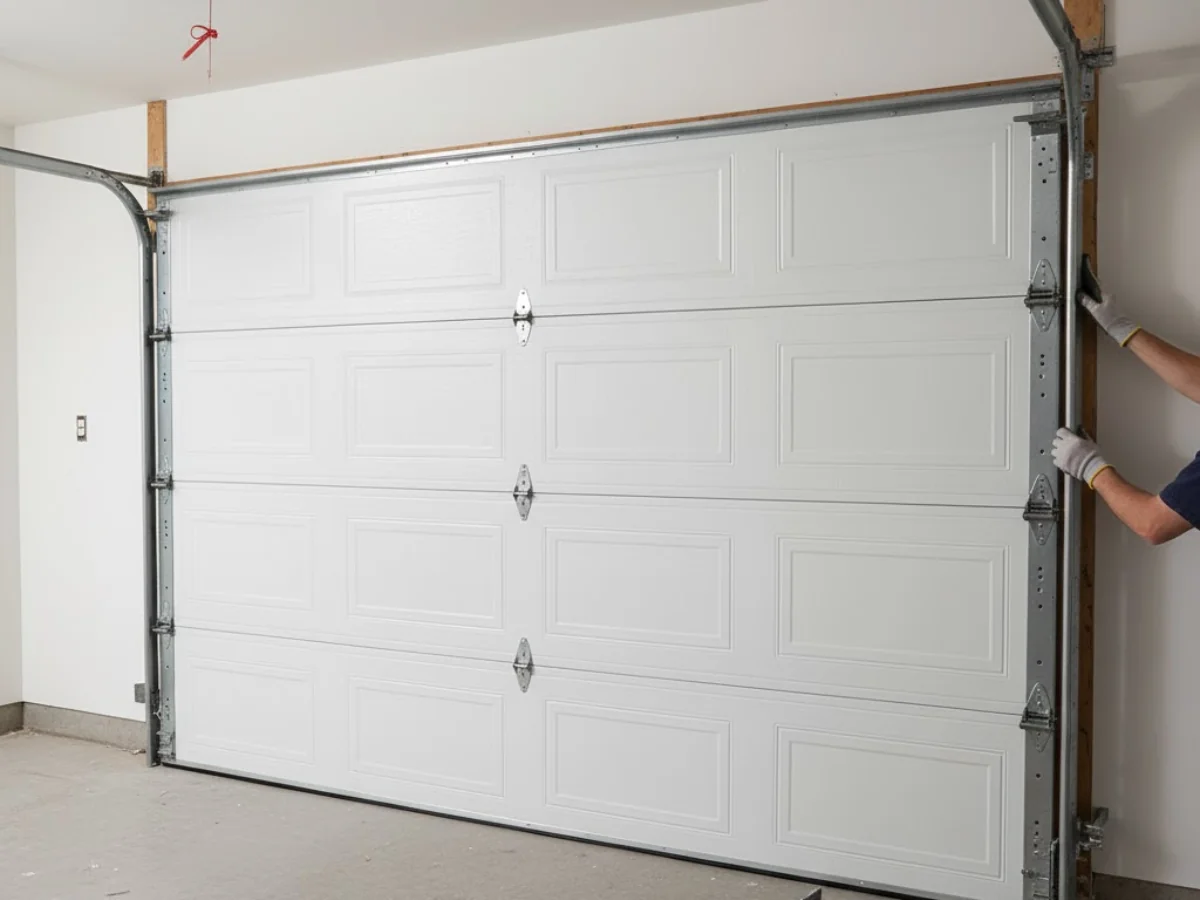
You press the remote button, and instead of a smooth, quiet lift, your garage door sounds like a freight train rolling through your house. Or maybe it moves so slowly that you could brew a fresh cup of coffee before it opens completely.
When your garage door starts acting up, it is more than just an annoying daily hassle. It can be a major safety hazard and a sign that a serious mechanical breakdown is right around the corner.
As a homeowner, your garage door is likely the largest and heaviest moving object in your entire house. It relies on a complex system of springs, cables, pulleys, tracks, and electrical components to lift hundreds of pounds safely. When one part of this system wears out or loses lubrication, the whole system suffers.
In this comprehensive guide, we will draw on 15 years of hands-on field experience to break down exactly why your garage door is making strange noises or moving at a snail's pace. We will also look at how Boston’s unique climate impacts these heavy systems, and when it is time to call in a professional for expert garage door repair.
The Anatomy of a Garage Door System
Before we look into the troubleshooting steps, it helps to understand the main parts that make up your garage door. Think of your garage door like a bicycle. If the chain is dry, the gears are misaligned, or the frame is bent, the bike will not ride smoothly.
Here are the primary components that keep your door moving:
- The Garage Door Opener: This is the motorized brain of the system. It does not actually do the heavy lifting (that is the job of the springs), but it controls the movement and dictates how fast or slow the door travels.
- Springs (Torsion and Extension): These tightly wound steel coils act as the muscle. They counterbalance the weight of the door so it feels light enough to lift easily.
- Rollers: These small wheels are attached to the sides of your door panels. They roll inside the metal tracks to guide the door up and down.
- Tracks: These are the metal rails mounted to your garage walls and ceiling that keep the door aligned.
- Cables: Heavy-duty aircraft cables work alongside the springs to pull the door up and lower it safely.
- Hinges: These metal plates connect your door panels together, allowing the door to bend and flex as it moves through the curved part of the tracks.
Common Causes of a Loud Garage Door
A noisy garage door is screaming for attention. Different parts make different sounds when they begin to fail. By listening closely to the specific type of noise your door is making, you can narrow down the exact root cause.
+---------------------+-----------------------+----------------------------------+
| Type of Noise | Most Likely Cause | Recommended Fix |
+---------------------+-----------------------+----------------------------------+
| Screeching/Squealing | Friction / Dry Parts | Apply silicone or lithium grease |
| Clunking/Thumping | Broken/Worn Rollers | Replace old rollers with nylon |
| Grinding | Stripped Opener Gears | Replace internal drive gear |
| Rattling/Vibrating | Loose Hardware | Tighten nuts, bolts, and hinges |
| Slapping/Popping | Out-of-Balance Door | Professional spring adjustment |
+---------------------+-----------------------+----------------------------------+
1. Lack of Lubrication (Screeching or Squealing)
The number one cause of a noisy garage door is simple metal-on-metal friction. Over time, the factory lubrication on your rollers, hinges, and springs dries up. When dry metal rubs against dry metal at high speeds, it creates a piercing screeching sound.
In New England, our harsh winters and humid summers accelerate this drying process. Salt-heavy air from the coast can also cause light surface rust to form on these moving parts, adding even more friction to the mix.
2. Worn-Out or Damaged Rollers (Clunking or Thumping)
If you hear a rhythmic thumping or clunking sound as the door moves, your rollers are likely to blame.
- Steel Rollers: Traditional steel rollers with unsealed ball bearings wear down quickly. The bearings become loose, causing the wheel to wobble inside the track.
- Plastic Rollers: Many builder-grade doors use cheap plastic rollers without any ball bearings at all. These wear out, crack, or develop flat spots over time, leading to a bumpy, noisy ride.
3. Loose Nuts, Bolts, and Screws (Rattling)
Every time your garage door opens and closes, it generates vibrations. Over months and years, these vibrations act like a tiny jackhammer, slowly loosening the nuts and bolts that hold your tracks, hinges, and opener brackets together. If your door rattles like a bucket of bolts, you likely have loose hardware throughout the system.
4. Stripped Opener Gears (Grinding)
If the noise sounds like it is coming directly from the motor box on your ceiling and sounds like a loud mechanical grinding, your opener's internal gears may be stripped. Most modern garage door openers use a plastic drive gear inside the motor housing. If the door becomes too heavy due to broken or weak springs, the metal motor shaft will completely strip the teeth off the plastic gear, leaving you with a loud motor that spins but cannot move the door.
5. An Unbalanced Door (Popping or Slapping)
When your garage door springs begin to lose their tension, the door becomes heavy and unbalanced. This forces the opener to strain, creating a deep, groaning sound. You may also hear a loud "pop" or "slap" when the door first starts to lift, which occurs because the weak springs are struggling to snap into action under the immense weight of the door.
Common Causes of a Slow Garage Door
A standard, healthy residential garage door should open or close at a rate of about 7 to 8 inches per second. This means a standard 7-foot-tall door should take roughly 10 to 12 seconds to fully operate. If your door takes twice that long, or pauses midway through its cycle, something is wrong.
1. Weak or Dying Springs
As mentioned earlier, the springs do the actual lifting. A typical garage door spring is rated for roughly 10,000 cycles (one cycle is opening and closing the door once). For an average family, this equals about 5 to 7 years of use.
As springs near the end of their lifespan, the steel stretches out and loses its elasticity. Because the spring can no longer provide the necessary counter-balance force, the door becomes incredibly heavy, causing the opener to run painfully slow to prevent itself from overheating.
2. Speed Settings on the Opener are Misconfigured
Many modern smart garage door openers come with adjustable speed control settings. These settings allow you to choose a slower, quieter operation cycle. If your door has always been slow since the day it was installed, or if you recently had a power surge that reset your opener's circuit board, the speed settings might simply be set to the lowest default level.
3. Physical Obstructions and Misaligned Tracks
If the metal tracks that guide your door are bent, warped, or knocked out of alignment, the rollers will get pinched as they try to pass through the damaged area. This creates immense physical resistance. The opener will sense this resistance and slow down significantly to avoid crashing or breaking.
Tech Tip: If you notice your door slows down drastically at one specific spot every single time, inspect the track at that exact height. Look for dents, rust build-up, or a gap between the track and the wall.
4. Cold Weather and Thickened Grease
Living in the Northeast means dealing with freezing winters. Cold weather has a direct impact on garage door performance. Standard mechanical grease can become thick, gooey, and sticky when temperatures drop below freezing. Instead of helping the rollers glide smoothly, frozen, gunky grease acts like glue, trapping dirt and slowing down the entire system.
Step-by-Step Troubleshooting Guide for Homeowners
If you are dealing with a loud or slow garage door, you do not always have to call out a technician immediately. There are several safe, simple maintenance steps you can take on your own to see if the issue can be resolved without replacing major components.
Phase 1: The Visual and Audio Inspection
Start by standing inside your garage with the door closed. Press the wall button to open the door and watch it closely.
- Look for any jerking movements or shaking.
- Listen for where the noise is loudest (the tracks, the springs, or the motor box).
- Look for loose cables hanging off the side drums.
- Check for gaps in the springs, which indicate a complete break.
Phase 2: The Balance Test (Crucial Safety Step)
To figure out if your slow door is caused by an opener issue or a spring issue, you must perform a manual balance test.
- Close the garage door completely.
- Pull the red emergency release cord hanging from the opener track to disconnect the door from the automated motor.
- Grip the handle at the bottom of the door and lift it up manually.
- The Verdict: A perfectly balanced door should be easy to lift with just one hand. Lift it halfway up and let go. If the door stays completely still or hovers slightly, your springs are in great shape. If the door slams down hard to the floor or flies upward, your springs are out of balance and require professional attention.
Phase 3: Tightening and Cleaning
If your door passed the balance test, the issue is likely due to loose hardware or dirty tracks.
- Take a socket wrench and gently check the tightness of all the nuts on the hinges and track brackets. Do not over-tighten them; they just need to be snug.
- Take a clean rag and a can of brake cleaner or denatured alcohol to wipe down the inside of the metal tracks. Remove all built-up dirt, old grease, and road grime. Never spray thick grease or WD-40 inside the tracks, as this will only collect more dirt over time.
How to Properly Lubricate Your Garage Door
Proper lubrication can solve up to 80% of noisy garage door complaints. However, using the wrong product or applying it to the wrong spots can ruin your system.
Choosing the Right Product
Never use standard WD-40 on your garage door components. WD-40 is a degreaser and a rust penetrant, not a long-lasting mechanical lubricant. It will quickly evaporate and wash away any existing grease, leaving your parts drier than before.
Instead, look for a high-quality lithium-based grease spray or a dedicated silicone garage door lubricant. For more information on choosing the right mechanical lubricants for household hardware, you can consult the National Association of Home Builders (NAHB) for recommended home maintenance standards.
+---------------------------------------+---------------------------------------+
| DO LUBRICATE | DO NOT LUBRICATE |
+---------------------------------------+---------------------------------------+
| Metal hinge pivot points | The inside of the metal tracks |
| Roller ball bearings | The plastic roller wheels (nylon face)|
| Torsion springs (entire length) | The garage door opener belt |
| Extension spring pulleys | Keyholes or lock mechanisms |
+---------------------------------------+---------------------------------------+
Application Steps
- The Springs: Spray the entire length of your torsion spring (the large spring wound up on a bar above your door). You only need a light coating; it will seep between the coils as they move.
- The Hinges: Spray the pivot points where the metal hinges bend when the door rolls upward.
- The Rollers: Spray the tiny ball bearings located at the center of each roller wheel. If you have solid nylon rollers without exposed bearings, do not lubricate them.
- The Top Rail: If you have a chain-drive or screw-drive opener, apply a light layer of grease along the top of the rail where the trolley slides back and forth. Do not lubricate belt-drive openers.
The Benefits of Upgrading to Nylon Rollers
If your inspection reveals that your steel or plastic rollers are completely shot, you have a fantastic opportunity to upgrade your system. Upgrading from standard steel rollers to high-quality heavy-duty nylon rollers with sealed ball bearings is one of the most cost-effective upgrades you can make.
STEEL ROLLERS NYLON ROLLERS
+-------------------------+ +-------------------------+
| - Loud metal-on-metal | | - Ultra-quiet operation |
| - Requires regular lube | VS | - Sealed bearings |
| - 3,000 to 5,000 cycles | | - 10,000+ cycle life |
| - Prone to rusting | | - Rust resistant |
+-------------------------+ +-------------------------+
Nylon rollers slide through metal tracks with significantly less friction than steel. They absorb vibrations, making your garage door whisper-quiet. Furthermore, sealed bearings prevent dirt, moisture, and road salt from entering the mechanical core of the roller, ensuring they spin smoothly for well over a decade.
Real-World Scenario: The Boston Winter Jam
To give you an idea of how these issues present themselves in real life, consider a common call-out scenario our technicians experience every January in the historic neighborhoods of Boston.
A homeowner in the North End woke up to find their garage door completely stuck halfway open on a morning when temperatures plummeted to 15 degrees. When they pressed the button, the motor hummed loudly, groaned, and then gave up entirely.
When our technician arrived to perform the garage door repair, they discovered two distinct issues working together to cause the failure:
- The tracks had accumulated a thick layer of old, hardened lithium grease mixed with coastal salt air, creating a sticky paste that physically trapped the rollers.
- The cold weather had caused the metal torsion spring to contract, reducing its lifting power. Because the spring was already 8 years old and worn out, it simply could not overcome the sticky resistance in the tracks.
The solution required cleaning the tracks down to bare metal, replacing the worn-out torsion spring with a new high-cycle spring, and installing nylon rollers. The door was restored to operating faster and quieter than it had in ten years.
When Is it Safe to DIY, and When Should You Call a Pro?
While cleaning tracks, tightening loose hinges, and applying spray lubricant are perfectly safe DIY projects, there is a clear line where home maintenance ends and dangerous mechanical repair begins.
The Danger of Garage Door Springs
We cannot emphasize this enough: Never attempt to adjust, tighten, or remove a garage door spring on your own. Torsion springs are wound under an extreme amount of mechanical tension. They store enough energy to lift a 300-pound door in the blink of an eye. If a spring snaps or a winding cone slips while you are working on it, the force released can easily break bones, sever fingers, or cause life-threatening injuries. For detailed safety information on garage door mechanics, visit the International Door Association (IDA) or check the safety standards outlined by the Occupational Safety and Health Administration (OSHA).
When to Call a Certified Technician
You should immediately stop what you are doing and call a licensed professional if you notice any of the following warning signs:
- Your garage door spring is visibly broken or split into two pieces.
- The lift cables are frayed, unspooled, or hanging loose like loose string.
- The garage door is hanging crookedly or completely off-kilter inside the tracks.
- The metal tracks are severely bent inward or detached from the garage wall.
- The door makes a violent, loud popping sound whenever it begins to move.
Frequently Asked Questions (FAQs)
Can I use a regular garage door opener if my door is heavy to lift by hand?
No, you should never run an automatic opener on an unbalanced or heavy door because it will quickly burn out the motor and strip the internal drive gears. A properly balanced garage door should always be easy to lift manually before an opener is attached.
Why does my garage door move normally at first but slow down right near the top?
This usually happens because the horizontal tracks running along your ceiling are misaligned, causing them to narrow and pinch the rollers near the end of their travel. It can also indicate that your opener's travel limits need to be recalibrated.
How often should I perform routine maintenance on my garage door system?
You should clean the tracks, check for loose hardware, and lubricate the moving parts at least twice a year. Performing this maintenance right before winter and summer is ideal for handling seasonal temperature swings.
Will replacing my old garage door opener make a slow door move faster?
Replacing an opener will only speed up your door if the old motor was failing or the new model features a higher-speed DC motor. If the slow movement is caused by worn-out springs or binding tracks, a new opener will not fix the underlying issue.
Final Thoughts
A loud or slow garage door is your home’s way of warning you that something is wrong. By staying on top of basic cleaning and proper lubrication, you can easily keep minor issues from turning into expensive, inconvenient breakdowns. Remember to pay close attention to the specific sounds your door makes, check its balance manually every year, and always prioritize safety over saving a quick buck when dealing with high-tension springs.
How Can Alpine Garage Doors NE Help You?
If your garage door is rattling, groaning, or moving too slowly to keep up with your busy schedule, do not wait for it to break down completely and leave your car trapped inside. At Alpine Garage Doors NE, we have spent 15 years providing reliable, top-tier garage door repair services to homeowners across the Greater Boston area.
Whether you need a quick spring replacement, a roller upgrade, or a complete system overhaul, our expert technicians are ready to bring safety, speed, and quiet operation back to your home. Contact us today to schedule a comprehensive multi-point safety inspection and tune-up.
- Business Name: Alpine Garage Doors NE
- Business Address: 150 Cross St, Boston, MA 02109
- Phone Number: (617) 865 7222