


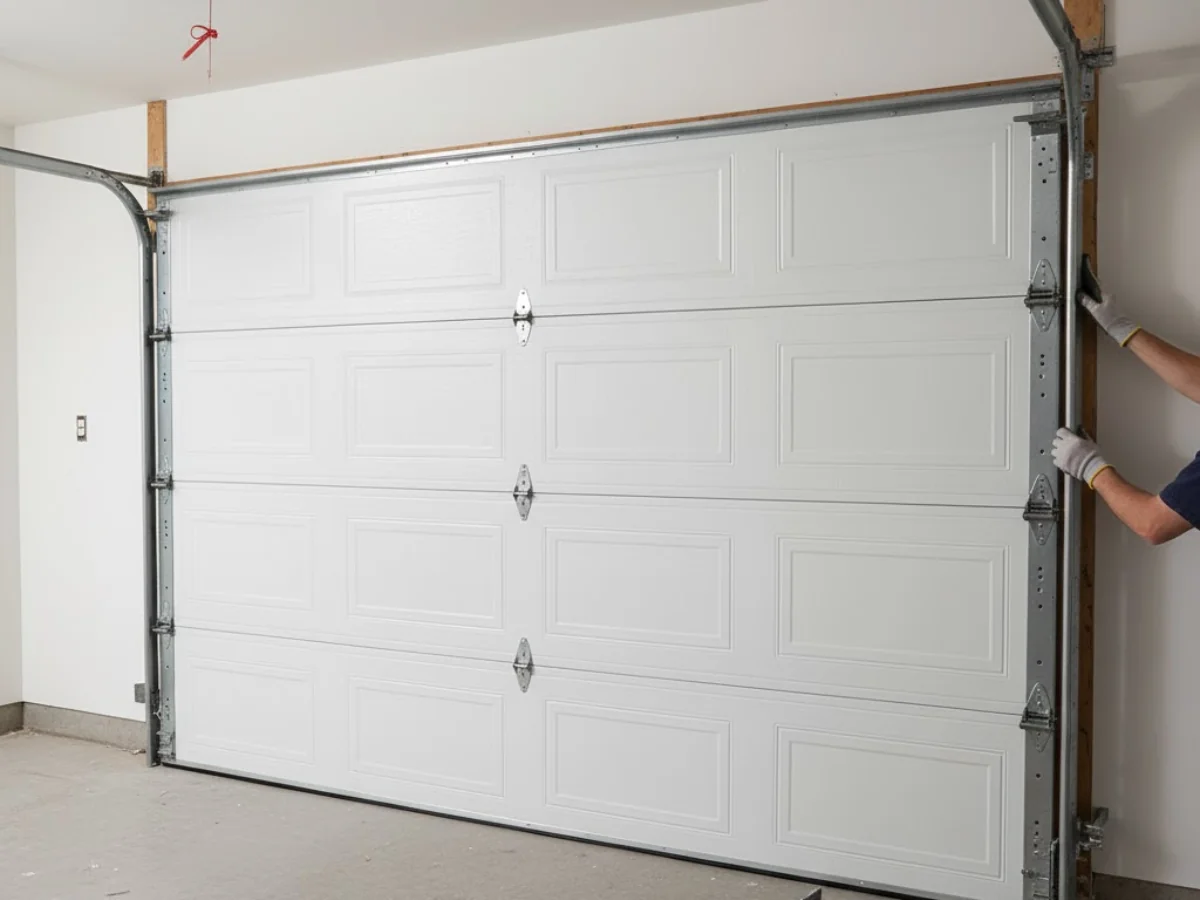
If you have ever tried to leave for work on a freezing January morning in New England only to find your garage door stuck halfway open, you already know the frustration. Boston winters are beautiful, but the bitter cold, freezing rain, and plunging temperatures are brutal on mechanical equipment.
Your garage door opener is the heavy-lifting heart of your home’s exterior. When the temperature drops below freezing, the metal shrinks, the grease hardens, and the electrical sensors frost over. It is a perfect storm for a breakdown. In this guide, we will break down exactly how the cold affects your garage system, walk you through real-world troubleshooting steps, and explain when it's time to call in the professionals for garage door opener repair in Boston, MA.
The Science of Cold Weather and Garage Door Mechanics
Garage doors are heavy—often weighing between 150 and 300 pounds. To lift this massive weight smoothly, your opener relies on a finely tuned system of springs, cables, tracks, and a motorized trolley. When extreme cold hits Massachusetts, the physics of your garage completely change.
There are two primary ways cold weather attacks this system:
- Viscosity Changes in Lubricants: Your tracks, rollers, and springs are coated in grease to keep friction low. Standard grease turns thick and glue-like in freezing temperatures. Instead of helping the parts glide, this hardened grease forces the motor to work twice as hard to push through the sludge.
- Thermal Contraction: Metal shrinks when it gets cold. Your garage door tracks can slightly warp or pinch inward, the springs become tighter and more brittle, and the cables lose their natural flex. This contraction increases the physical resistance the motor faces every time you hit the remote button.
Common Winter Garage Door Opener Problems in Boston
Understanding why your door is struggling is the first step to fixing it. Here are the most common ways winter weather creates the need for garage door opener repair in Boston, MA.
Thickened Lubrication and Sluggish Motors
If your door sounds like it is groaning, grinding, or moving in slow motion, hardened lubricant is likely the culprit. Many homeowners mistakenly use standard WD-40 on their garage tracks. WD-40 is actually a degreaser, not a true lubricant, and it will strip away the necessary grease before freezing over. When the motor tries to pull the heavy door through unlubricated, contracted metal tracks, the opener's internal gears can easily strip or burn out.
Metal Contraction: Springs, Tracks, and Rollers
Your garage door springs do the actual heavy lifting; the opener motor just guides the door. When temperatures plummet, the metal in your torsion or extension springs contracts and becomes incredibly brittle.
- The Danger: A brittle spring under immense tension is highly susceptible to snapping. If a spring breaks, the opener motor will try to lift the entire 300-pound dead weight on its own, which usually destroys the motor instantly. [Guide to identifying broken garage door springs].
Sensor Alignment Issues from Frost and Ice
Since 1993, all garage doors are required to have photo-eye safety sensors located about six inches off the ground. These shoot an invisible infrared beam across the opening to prevent the door from crushing anything in its path.
- The Winter Problem: In Boston, it is incredibly common for snow shoveled near the door to melt, pool around the sensors, and freeze into ice. Frost can coat the camera lenses, or a slight shift in the freezing concrete floor can knock the sensors out of alignment. If the beam is broken by frost, the opener will refuse to close the door, usually flashing its overhead lights to warn you.
Battery Drain in Remotes and Keypads
Cold weather famously kills battery life. If your outside keypad or car remote suddenly stops working on a freezing day, the opener motor itself might be perfectly fine. The cold saps the voltage from alkaline batteries, leaving the remote unable to send a strong enough radio signal to the overhead motor unit.
Real-World Troubleshooting Scenarios
Before assuming your motor is dead, try walking through these common winter scenarios.
Scenario 1: The door opens halfway, groans loudly, and stops.
- What is happening: The motor is encountering too much physical resistance, triggering its built-in safety feature to stop before it burns out.
- The Fix: Pull the red emergency release cord to disconnect the door from the motor. Try lifting the door by hand. If it feels incredibly heavy or gets stuck in the tracks, the issue is mechanical—likely hardened grease or a contracted track. If the door lifts smoothly by hand, the opener’s internal force-limit settings may need to be slightly increased for the winter season to compensate for denser air and stiffer parts. [How to safely adjust garage door force limits].
Scenario 2: The motor hums, but the door will not move at all.
- What is happening: The motor is receiving power, but it cannot translate that power into movement.
- The Fix: First, check if the bottom weatherstripping seal has frozen solid to your concrete driveway. If ice has fused the door to the ground, the motor will hum and stall. Use hot water or a heat gun (on a low setting) to melt the ice, then wipe the area dry. If the door isn't frozen to the ground, a stripped nylon gear inside the motor housing is the most likely culprit.
Preventative Maintenance: Winterizing Your Garage Door
The best way to avoid emergency garage door opener repair in Boston, MA, is to prep your system before the first snowstorm hits in December.
1. Clean the Tracks: Never lubricate dirt.
Wipe down the metal tracks with a damp cloth to remove summer dirt, dead bugs, and old grease. Do not apply lubricant directly inside the tracks, as this actually attracts dirt and causes the rollers to slide rather than roll.
2. Apply the Right Lubricant: Lithium or Silicone only.
Use a high-quality lithium-based or silicone-based spray lubricant on the springs, hinges, and roller bearings. These specifically withstand extreme cold without thickening. [Best cold-weather lubricants for mechanical parts].
3. Check the Bottom Seal:
Inspect the rubber weather seal at the bottom of the door. If it is cracked or flattened, cold air and moisture will leak in. Replace it, and consider spraying the bottom edge with a light coat of silicone to prevent it from freezing to the driveway.
4. Wipe the Sensors:
Take a dry microfiber cloth and gently wipe the lenses of the safety sensors to remove condensation, dust, and early frost.
When to DIY and When to Call an Expert
Not every winter garage issue requires a technician, but messing with the wrong parts can be incredibly dangerous.
What you can do yourself:
- Replacing keypad and remote batteries.
- Wiping down frosted safety sensors.
- Applying silicone lubricant to hinges and springs.
- Melting ice away from the bottom seal.
When to call a professional:
- Broken Springs: Never attempt to replace a garage door spring yourself. They hold massive amounts of tension and can cause fatal injuries if they snap back.
- Internal Motor Issues: If the motor hums but nothing moves, or if you smell burning plastic, the internal gears or logic board need replacement.
- Bent Tracks: If the cold has caused the metal tracks to warp or pinch, forcing the door to run on them will cause the rollers to pop out entirely.
Frequently Asked Questions (FAQs)
Can extreme cold crack a wooden garage door?
Yes, moisture can seep into unsealed wooden doors, freeze, and expand, leading to large structural cracks in the panels.
Do insulated garage doors help the opener motor?
Insulated doors keep the ambient temperature inside the garage warmer, which prevents the tracks from contracting and keeps the motor's grease at a workable consistency.
How long do garage springs last in cold climates?
In harsh environments like Boston, standard torsion springs generally last between 7,000 to 10,000 cycles, which roughly equates to 5 to 7 years of daily use.
Is it safe to use a space heater near my garage door motor?
No, placing a space heater near the ceiling motor is a severe fire hazard and can melt the plastic housing and fry the sensitive logic board.
Final Thoughts
Boston winters are unforgiving, but your daily routine does not have to stop because of a frozen garage door. By understanding how thermal contraction and hardened lubricants affect your machinery, you can take simple steps to keep your system running smoothly. Regular seasonal maintenance is the easiest way to protect your investment. However, when the cold wins and a spring snaps or a motor stalls, it is always safer and more cost-effective in the long run to rely on local experts who understand New England weather.
How Can Alpine Garage Doors New England Help You?
When the freezing temperatures leave you stuck inside (or locked out of) your garage, you need fast, reliable help. Alpine Garage Doors New England specializes in seasonal maintenance and emergency garage door opener repair in Boston, MA. Our licensed technicians carry the cold-weather lubricants, heavy-duty springs, and replacement motor parts needed to beat the Boston freeze. Don't let a stuck door ruin your day—we are standing by to get your life back on track safely and efficiently.
Alpine Garage Doors New England
150 Cross St, Boston, MA 02109
(617) 865-7222